Aerosol Insecticide Spray- Efficient Prevention for Chikungunya
Understanding Chikungunya: Symptoms, Transmission, and Prevention
Chikungunya is a viral disease transmitted to humans by infected mosquitoes, primarily Aedes aegypti and Aedes albopictus (the same mosquitoes that spread dengue and Zika viruses).
Key Facts About Chikungunya:
1.Symptoms:
1.1 High fever (often sudden onset)
1.2 Severe joint pain (especially in hands, wrists, ankles, and knees)
1.3 Muscle pain, headache, fatigue
1.4 Rash (in some cases)
1.5 Symptoms usually appear 3–7 days after a mosquito bite.
2.Transmission:
2.1 Spread through mosquito bites (not person-to-person).
2.2 Rarely, mother-to-child transmission during childbirth.
3.Diagnosis & Treatment:
3.1 Diagnosed via blood tests (RT-PCR or serology).
3.2 No specific antiviral treatment—management focuses on relieving symptoms (painkillers, hydration, rest).
3.3 Avoid aspirin (risk of bleeding complications).
4.Recovery & Complications:
4.1 Most people recover within 1–2 weeks, but joint pain may persist for months or years.
4.2 Severe cases are rare but can lead to neurological or heart complications.
5.Prevention:
5.1 Avoid mosquito bites (use repellents, wear long sleeves, sleep under nets).
5.2 Eliminate standing water (mosquito breeding sites).
5.3 No commercially available vaccine yet (some are under development).
Chikungunya is common in Africa, Asia, the Americas, and tropical regions. If you suspect infection, consult a healthcare provider for proper diagnosis and care.
Could aerosol insecticide spray prevent Chukungunya?
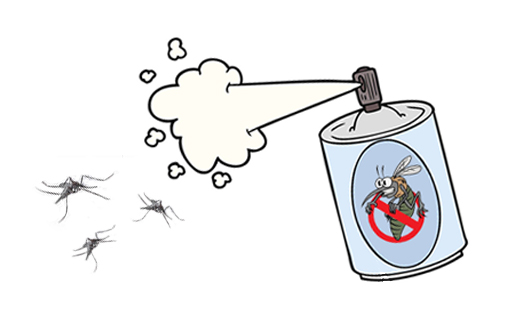
Yes, aerosol insecticide sprays (like space sprays or fogging) can help reduce mosquito populations and lower the risk of Chikungunya transmission, but they have limitations. Here’s what you need to know:
How Aerosol Insecticides Help Prevent Chikungunya
1.1 Sprays like pyrethroids (e.g., deltamethrin, permethrin) can quickly knock down adult Aedes mosquitoes.
1.2 Used in fogging or ultra-low volume (ULV) spraying during outbreaks.
2. Short-Term Protection
2.1 Effective for immediate mosquito control in high-risk areas (e.g., neighborhoods with Chikungunya cases).
2.2 Does not provide long-lasting protection (mosquitoes can return after a few days).
Limitations of Aerosol Sprays
❌ Does Not Kill Larvae – Aedes mosquitoes breed in standing water (e.g., buckets, tires, flower pots). Spraying doesn’t eliminate these breeding sites.
❌ Temporary Effect – Mosquitoes can repopulate quickly if breeding sites remain.
❌ Insecticide Resistance – Some Aedes mosquitoes develop resistance to common insecticides.
❌ Indoor Hiding – Aedes aegypti often rests indoors, where sprays may not reach effectively.
More Effective Prevention Strategies
✔ Eliminate Breeding Sites – Remove standing water (the most sustainable method).
✔ Use Larvicides – Treat water containers with Bti (Bacillus thuringiensis israelensis) to kill mosquito larvae.
✔ Personal Protection – Wear repellents (DEET, picaridin), use mosquito nets, and install window screens.
✔ Community Efforts – Combined approaches (fogging + source reduction) work best.
When is Aerosol Spraying Useful?
During outbreaks (emergency control to reduce transmission).
In combination with other methods (like larviciding and public education).
Bottom Line
The best way to prevent Chikungunya is through integrated mosquito control—eliminating breeding sites and using personal protection. Insecticide sprays are also effective in preventing Chikungunya to some extent temporarily. Guyangdong hongyuan metal packaging co., ltd, the aerosol tin can supplier, could provide your aerosol packaging solution. Please click here for more information on the packaging of insecticide sprays.
Refilling Aerosol Spray Cans Safely Guide
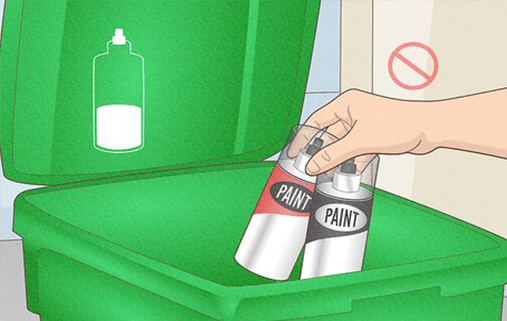
HOW TO DISPOSE AEROSOL CANS
Related Article