HOW TO DISPOSE AEROSOL CANS
HOW TO DISPOSE AEROSOL CANS
Guangdong Hongyuan Metal Packaging here, provide you a comprehensive guide on how to properly and safely dispose of aerosol cans.
The Golden Rule: EMPTY and NEVER PUNCTURE
The most important thing to remember is that you should only dispose of an aerosol can in your regular recycling or trash if it is completely empty. A can that still contains product or propellant is pressurized and is considered household hazardous waste (HHW), which can be dangerous if crushed in a garbage truck or recycling facility.
Step-by-Step Guide to Safe Disposal
1. Check if the Can is Empty
Listen: Shake the can. If you don't hear liquid sloshing and the nozzle doesn't release any propellant (even a hiss) when pressed, it's likely empty.
Spray: Point the nozzle into a rag or cardboard box in a well-ventilated area and press it until nothing comes out. Always wear eye protection for this step.
2. Confirm It's Not Hazardous
Read the Label: Check for words like "Toxic," "Flammable," "Corrosive," or "Warning." Even if empty, some local guidelines treat all aerosol cans as hazardous due to residual contents. When in doubt, treat it as hazardous waste.
A. For Completely Empty, Non-Hazardous Cans:
Recycling (Preferred Method):
Leave the Cap On: Most recycling facilities request that you leave the plastic cap on. This prevents any last bits of residue from leaking and helps with the sorting process.
Do Not Crush: Leave the can in its original shape so it can be properly sorted by the machinery.
Check Local Rules: Always check with your local municipal recycling program. Rules can vary. Some accept them with other metal cans, while others have specific instructions.
Trash (If Recycling is Not Available):
If your local program does not accept aerosol cans, they can go in the regular trash only if completely empty.
B. For Partially Full or Hazardous Cans:
Household Hazardous Waste (HHW) Facility:
This is the safest and most environmentally responsible method.
Search for "[Your City/County] household hazardous waste disposal" to find a collection site or a scheduled drop-off day in your community.
Keep the can intact and transport it upright to prevent leaks.
Community Take-Back Programs:
Some fire departments, retailers (e.g., hardware stores, paint stores), or community groups host events for collecting hazardous materials.
Product Giveaway:
If the can is still usable (e.g., half a can of spray paint), consider giving it to a friend, neighbor, or a community project like a school theater department or a local artist who could use it.
What NEVER to Do
NEVER puncture, crush, or compress an aerosol can. The sudden release of pressure can cause the can to explode, leading to serious injury.
NEVER throw a full or partially full can into the trash or recycling. It is a fire and explosion hazard.
NEVER incinerate or burn an aerosol can.
NEVER attempt to recycle a can that contained a hazardous material like oven cleaner, insect spray, or automotive products without confirming it's 100% empty and checking local rules.
Special Cases
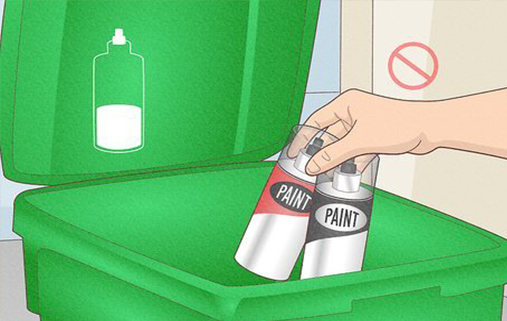
Paint Cans: These are almost always considered hazardous waste. Take them to a HHW facility. Many paint stores also participate in paint recycling programs (e.g., PaintCare in the U.S.).
Food Product Cans (e.g., cooking spray): These are generally easier to recycle once empty, as the contents are not typically hazardous.
Large or Industrial-Sized Cans: These have a higher risk and almost always need to be taken to a HHW facility for proper handling.
For knowing more detailed information about aerosol cans, please contact us GUANGDONG HONGYUAN METAL PACKAGING CO., LTD;
Aerosol Insecticide Spray- Efficient Prevention for Chikungunya
PCR Recycled Aluminum Aerosol Cans: 2026 Eco-Packaging Trend & Professional Supply Solution
Related Article