Difference between tin and aluminum cans
author: HONGYUAN
2024-05-30
In today's world, the term "tin can" is used to collectively refer to various small metal cans. Most modern tin cans are made of aluminum, but this was not originally the case. While people often think of tin cans and aluminum cans as the same item, the two cans are actually quite different from each other.
The purpose of tin cans and aluminum cans is basically the same, and they are mainly used in the food and cosmetic industries. However, their main difference lies in the materials they are made of and the benefits these materials can provide. In addition, they have different characteristics.
Properties of tin:
Tin is considered to be a low-melting crystal. This metal is malleable at room temperature and easy to work with. The metal itself is extracted from cassiterite. Cassiterite is a compound composed of tin and oxygen. This compound is easy to refine and process, making tin an ideal metal for canners. Another important reason tin is often used in canning is that tin is not easily corroded. Therefore, tin can store wet and dry materials without wearing down metal food containers.
Although tin is ubiquitous in everyday objects, the metal itself is not as common as it may seem. In fact, scientists claim that only 0.0001% of the Earth's crust is made up of tin, making it one of the rarest "common metals." As a result, modern tin cans are actually made of steel and coated with a very thin tin coating. The tin is applied to prevent corrosion of the steel.
1. Tin is a strong and durable material that can withstand pressure and impact during transportation while protecting the product.
2. The air tightness and corrosion resistance of tinplate make it one of the most suitable materials for food product packaging, such as metal bottles, tinplate cans and so on.
Properties of aluminum:
Aluminum, like tin, is a metallic element. But the main difference is that aluminum is much more common on Earth. In fact, aluminum is abundant - about 8.2% of the Earth's crust. Aluminum is one of the most common metals on Earth and therefore has a lower price. Although aluminum is easier to find, it is a bit more difficult to refine because aluminum is always present in different compounds. Typically, it is found in potassium aluminum sulfate or aluminum oxide. Therefore, different processes are needed to extract aluminum. While these processes are initially costly, they are becoming increasingly efficient and affordable. In the past few decades, the recycling process of aluminum has also been greatly developed. As a result, aluminum has become one of the easiest and cheapest metals to recycle. Like tin, aluminum is resistant to corrosion and easy to work with.
1. Aluminum has good thermal and electrical conductivity, and can effectively transfer heat and electricity.
2. Aluminum is a lightweight but very durable metal that is ideal for weight-conscious packaging applications. It is about three times lighter than steel, helping to reduce transportation costs.
In conclusion, in the packaging industry, the choice of using tin or aluminum ultimately depends on the specific needs and preferences of the company or customer. Tin and aluminum are comparable in price, but aluminum is more efficient at recycling and does not degrade quality, so it is more affordable. Tin cans have historical significance and are still widely used today, in addition, tin has excellent durability and corrosion resistance. Aluminum, on the other hand, is lighter, easy to recycle, abundant in natural resources, and affordable, making it a popular choice for many packaging applications. While they all serve the purpose of packaging goods, they differ significantly in terms of material composition, weight, environmental impact and versatility. But aluminum cans have become the beverage of choice and are more environmentally sustainable.

AEROSOL CAN: An Efficient and Convenient Packaging Solution for Daily Life
History of aerosol products development
Related Article

Discover 2026 eco trend of PCR recycled aluminum aerosol can, sustainable packaging for cosmetic, personal care and global brand ESG compliance.
PCR Recycled Aluminum Aerosol Cans: 2026 Eco-Packaging Trend & Professional Supply Solution
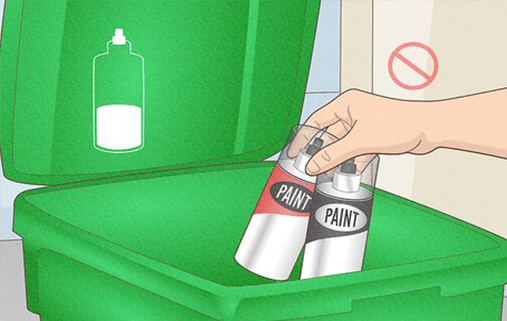
Guangdong Hongyuan Metal Packaging here, provide you a comprehensive guide on how to properly and safely dispose of aerosol cans.
HOW TO DISPOSE AEROSOL CANS