
HONGYUAN Container Loading Process
author: HONGYUAN
2025-05-12
Container Loading Process
The container loading process is a systematic operation process designed to ensure that the goods are loaded into the container safely and efficiently, while maximizing the use of space and meeting transportation requirements. The following is a detailed loading process of GUANGDONG HONGYUAN METAL PACKAGING CO., LTD and precautions:
I. Preparation before loading
1.1 Confirmation of cargo information
Check the cargo list (name, quantity, size, weight, packaging type).
1.2 Container inspection
1.2.1 Container status: Check whether the container is intact (no damage, rust, leakage, etc.).
1.2.2 Cleanliness: Ensure that there is no residue in the box (especially for sensitive goods such as food and chemicals).
1.2.3 Size and type: Confirm whether the container specifications (20GP, 40GP, 40HQ, etc.) meet the requirements.
1.3 Document preparation
1.3.1 Packing list, commercial invoice, bill of lading (B/L), etc.
1.3.2 Special goods need to provide MSDS (Material Safety Data Sheet), fumigation certificate, etc.
1.4 Tools and personnel
1.4.1 Prepare loading and unloading equipment (forklift, crane, pallet truck, etc.).
1.4.2 Arrange skilled workers and equip them with protective equipment (gloves, helmets, etc.) when necessary.
2. Steps of loading process
2.1 Classification and sorting of goods
2.1.1 Classify by the nature of goods (heavy goods, light goods, fragile goods, etc.).
2.1.2 Plan loading according to the order of unloading (unload first and load later, unload later and load first).
2.2 Lay anti-slip materials
Lay anti-slip mats, wooden boards or cardboard on the bottom of the box when load tinplate in coil or printed sheets (to prevent goods from sliding).
2.3 Loading principles
2.3.1 Weight distribution: heavy goods are at the bottom, light goods are at the top; heavy goods are close to the center of the box to avoid uneven loading.
2.3.2 Space utilization: stack tightly and use fillers (bubble film, wooden frames and air bag) to fix gaps.
2.3.3 Special cargo: Fragile goods: packaged separately to avoid squeezing.
2.4 Loading layer by layer
2.4.1 Load in layers from inside to outside and from bottom to top, and reinforce each layer with pallets or partitions.
2.4.2 Use strapping, ropes or wooden frames to secure the goods (to prevent displacement during transportation) if there are some spaces left after loading all goods.
2.5 Recording and monitoring
2.5.1 Take photos or videos to record the loading process (retain evidence to avoid disputes).
2.5.2 Check in real time whether the goods are offset or damaged.
2.6 Closing and sealing the box
2.6.1 Confirm that the goods are not protruding and do not block the door.
2.6.2 Apply container seal (Seal) and record the seal number.
III. Post-loading inspection
3.1 Document verification
Ensure that the packing list is consistent with the actual goods and sign to confirm.
3.2 Container marking
Post shipping marks (Shipping Mark), dangerous goods labels, etc.
3.3 Transportation arrangements
Contact the fleet or shipping company to arrange transportation to the terminal or destination.
IV. Precautions
Safe operation: Overloading is prohibited (do not exceed the container weight limit) to ensure the safety of loading and unloading personnel.
Ventilation requirements: Wet goods need to reserve ventilation space.
Customs compliance: The description of the goods is consistent with the declaration to avoid inspection problems.
Special climate: Pay attention to cargo protection (such as antifreeze packaging) in hot or cold areas.
V. Common loading methods
Manual loading: Suitable for small batches and irregular goods.
Mechanical loading (forklift/crane): Suitable for palletized and heavy goods.
LCL (Less than container load): Multiple goods share a container, which requires coordination by professional freight forwarders.
Through the standardized loading process, cargo damage can be reduced, efficiency can be improved, and smooth transportation can be ensured. If there are complex requirements (such as oversized cargo, cold chain cargo), it is recommended to entrust a professional logistics company to operate.
Internal coating of aerosol cans
Aerosol cans - the preferred packaging for aerosol product
Related Article
Discover 2026 eco trend of PCR recycled aluminum aerosol can, sustainable packaging for cosmetic, personal care and global brand ESG compliance.
PCR Recycled Aluminum Aerosol Cans: 2026 Eco-Packaging Trend & Professional Supply Solution
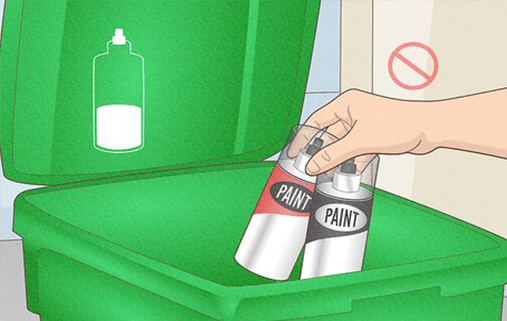
Guangdong Hongyuan Metal Packaging here, provide you a comprehensive guide on how to properly and safely dispose of aerosol cans.
HOW TO DISPOSE AEROSOL CANS