Why are Aerosol Cans Dangerous
Why are Aerosol Cans Dangerous?
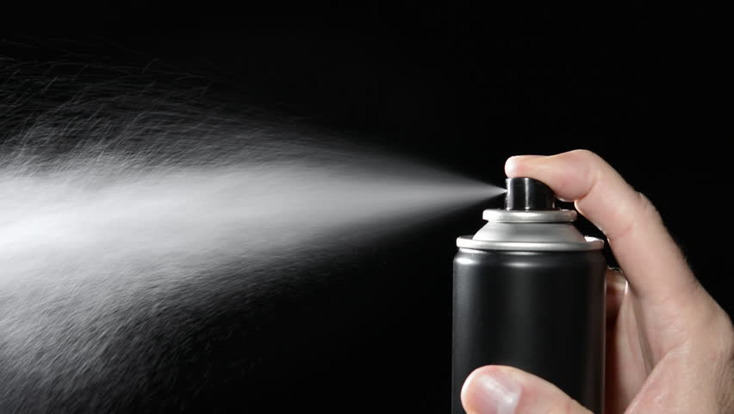
Aerosol cans are dangerous because of the unusual mix of substances stored under pressure inside THE metal canister. Even if the active ingredient is not a hazardous chemical (eg, food products) the can is still capable of exploding or turning into a dangerous projectile. The biggest problem with aerosol cans in the workplace is their potential to ignite or explode other Dangerous Goods and Hazardous Substances.
Here are four ways aerosol cans present a dangerous hazard in the workplace:
1. Active ingredient is a hazardous substance.
Adhesives, insecticides, automotive sprays, solvents, cleaners, paints, and varnishes are all hazardous substances and capable of causing injury if a workers inhales or absorbs the chemicals. It is so important for supervisors to check the Safety Data Sheets (SDSs) before allowing any new chemical into the workplace, sometimes this practice is forgotten when the substance arrives packaged in a neat little aerosol can.
2. Cans are overheated.
Many workplace accidents involving aerosols occur when the cans are left in the sun, in a car, or placed next to a hot machine. Two Australian workers were injured when they tried to use a can of spray paint which had been left in the sun. As one of the worker shook the can it exploded in his hand. Other workers have suffered burns and shrapnel injuries from exploding cans of cooking oil, adhesives, and electrical contact cleaner.
3. Can is ruptured or pierced.
A worker was using a can of spray paint to mark pieces of steel ready for cutting with an acetylene/oxygen cutting torch. A piece of molten metal fell onto the spray can which ruptured and the paint inside ignited. The worker was showered in burning paint and suffered terrible burns, but he was lucky the acetylene and O2 cylinders did not explode as well. Even empty cans must never be punctured or pierced as chemical residues can still present an explosion hazard.
4. Can is shaken, dropped or impacted.
A worker transferring unopened cartons of aerosol whipped cream was seriously injured when a can burst through the cardboard carton and hit him in the face. While it’s impossible to know what caused the metal canister to launch into a projectile, commercial warehouses and industrial worksites are rarely stable, temperature controlled environments. Aerosol cans (or bulk cartons) can be easily knocked over, dropped, or impacted by passing machinery and vehicles; potentially leaving the contents (active ingredients, propellant, and solvent) in a volatile state.
To store aerosol cans safety,the most important thing to remember about aerosol cans in the workplace is to always treat them as you would treat other Dangerous Goods. Read the Safety Data Sheets (SDS) and conduct a risk assessment before introducing them into the workplace for the first time.
Then train your workers not to leave them lying around workbenches, inside vehicles, or near plant and machinery where they vulnerable to heat and ignition sources.
According to the AS/NZS 3833:2007 - The storage and handling of mixed classes of dangerous goods, in packages and intermediate bulk containers, aerosol cans must be:
- Protected from the weather and direct sunlight
- Stored at least 3 metres from heat and ignition sources
- Kept more than 1.5 metres from flammable liquids
- Stored in a way that prevents stacked cartons from falling over or collapsing
Guangdong Hongyuan Metal packaging Co,Ltd is a manufacturer for aerosol tin cans,and provides various kind of tin cans. If you have interested you can contact us.
History of aerosol products development
Safety Test Methods for Aerosol Cans
Related Article